


On brindle horses

Did you know?
A foal’s very first coat is not just soft and sweet, it’s nature’s version of camouflage.
This fluffy baby coat, lighter than the adult colour, helps disguise a foal out in the paddock. Those pale legs and soft shades blend into the grass and dust, keeping the little one less visible to predators. Clever, isn’t it?
For example, a bay foal’s black legs are typically quite pale. This can lead some people to believe that their foal ‘changed colour.’ The colours of other foals may be incorrectly recorded on their registration certificates.
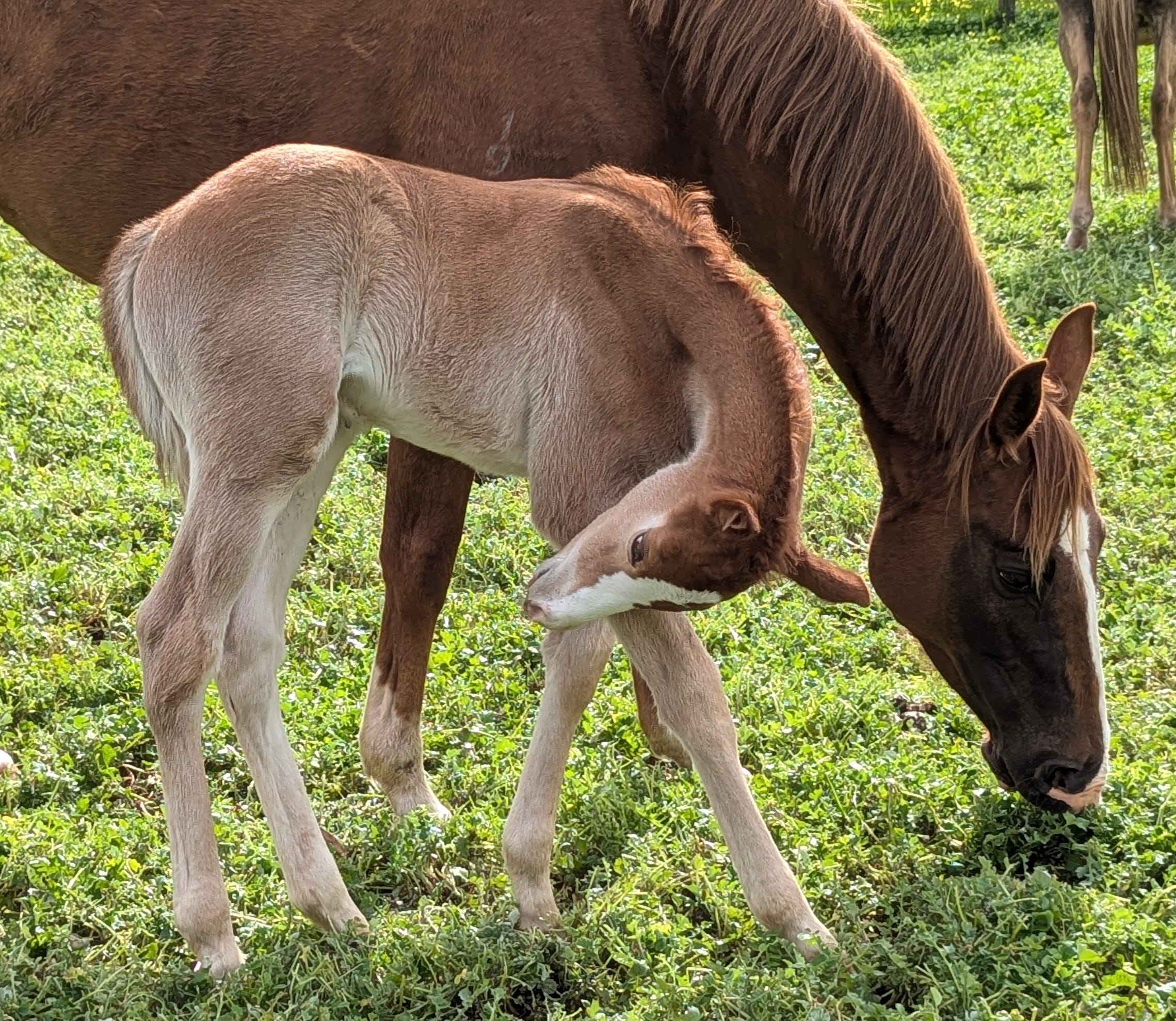
The transformation starts early, around two to three months of age. You’ll often notice the change beginning around the face, where the darker adult hair creates what breeders fondly call goggles. From there, the new coat takes over, replacing the baby fluff with the sleek sheen of youth.
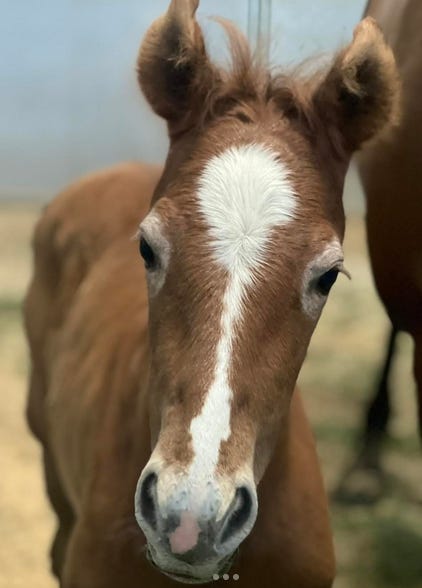
The only exception? The greys. They’re the rebels of the herd, born darker and lightening with age, rather than the other way around.
The first foal I bred turned grey. At the 3 month stage, she had pronounced light goggles as above. The neighbour let everyone know she was turning skewbald!

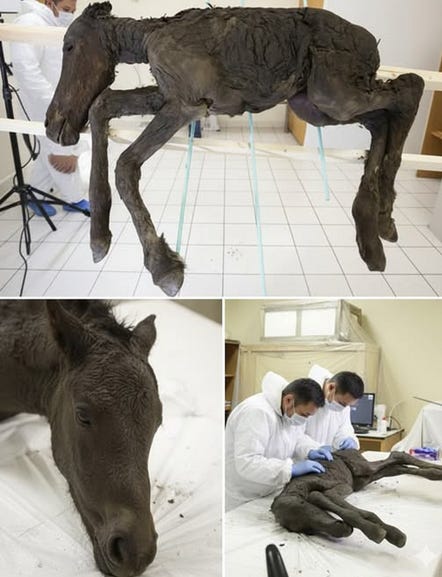
Foal frozen in time
A major scientific discovery in Siberia, where researchers uncovered the frozen remains of a young prehistoric horse, now known as the “Lena horse.” This foal is believed to be about 42,000 years old, dating back to the Ice Age, and it was preserved in the permafrost—a layer of permanently frozen ground that acts like a natural freezer.
Exceptional Preservation
What makes this discovery extraordinary is not only the foal’s overall condition but also the presence of liquid blood and urine inside its body. Normally, in fossils and ancient remains, soft tissues and fluids dry up or decay completely. For an animal that lived tens of thousands of years ago to still contain liquid blood is an incredibly rare phenomenon. The permafrost acted as a protective environment, stopping bacteria and natural decomposition from breaking down the tissues. This left the foal’s body intact, almost as if it had been frozen shortly after death and kept undisturbed for millennia.
You can read more on FB here: Lena, frozen in time
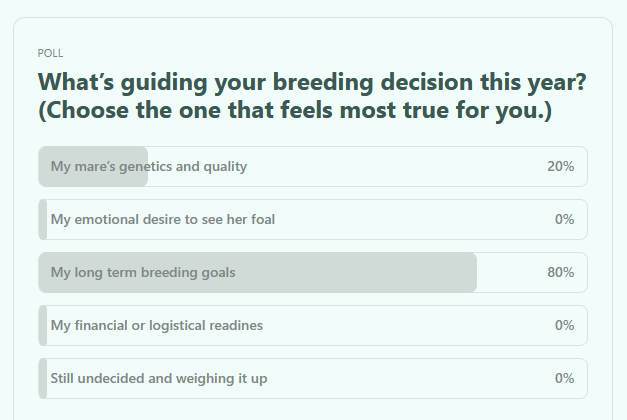
Results of last week’s poll:
Have a great weekend everyone

